
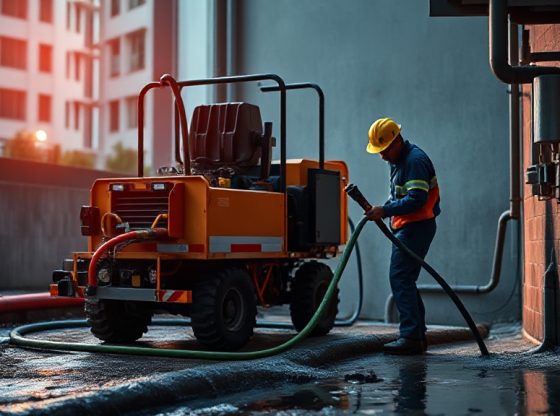

A Year of Drain Care in Ubatuba SP: A Month-by-Month Maintenance Calendar
Ubatuba SP’s climate swings between soaking wet summers and dry, mild winters, and your drains feel every bit of that contrast. The rainy season pushes roots, silt, and debris into pipes, while the dry months let grease and soap scum harden into blockages that only show up later. A simple twelve-month routine, planned around those two seasons, prevents most of the emergencies homeowners end up calling about. If you ever need urgent help, a reliable desentupidora Caraguatatuba team can step in, but the goal of this calendar is to keep that call rare.
Why Ubatuba SP’s Seasons Demand Different Drain Care
From December through March, heavy rain saturates the soil and raises the water table, which puts extra pressure on outdoor drains, French drains, and septic systems. Water that has nowhere to go backs up into floor drains and can flood a garage or laundry area within hours. In the dry months, from June to September, the risk shifts indoors: less water flowing through pipes means grease, hair, and soap residue settle and harden instead of being carried away.
That means your maintenance tasks should not be identical every month. Wet-season work focuses on outdoor drainage and root intrusion, while dry-season work focuses on indoor pipe flow and grease control. Splitting the year this way is the single most useful habit a Ubatuba household can build.
The Wet Season: December to March
This is when the region gets the most rain, and when most emergency calls happen. Your calendar should be heaviest here, with short, frequent checks rather than one big annual overhaul.
December: Pre-Rain Inspection
Before the heaviest rains arrive, walk the property and clear leaves and debris from gutter downspouts, channel drains, and any grated outdoor drains. Check that downspouts discharge at least a meter away from the foundation. If you have a septic tank, this is the month to confirm the lid is sealed and the inspection pipe is clear.
January: Root and Silt Watch
January is peak rain in Ubatuba SP, and tree roots seek out the moisture and nutrients inside sewer lines. Look for slow-draining toilets or gurgling sounds from floor drains, which often signal early root intrusion. A professional camera inspection now costs far less than a collapsed pipe in February.
February: Outdoor Drain Flush
Mid-season, flush area drains and stormwater grates with a hose to push accumulated silt through. If you notice standing water that takes more than a few minutes to recede, call a desentupidora Caraguatatuba SP to hydrojet the line before the next storm.
March: End-of-Rain Review
As the rains taper off, inspect the areas that flooded or pooled during the season. Mark those spots for improvement, such as regrading soil or adding a channel drain, before the next wet season.
The Transition Months: April, May, and November
These are the shoulder months, when the weather is milder and the drains are less stressed. Use them for the deeper preventive work that is hard to schedule during heavy rain or peak dry season.
April: Indoor Pipe Deep Clean
After months of heavy use, kitchen and bathroom lines benefit from a professional cleaning. Grease that built up over the holidays and rainy season can be removed with hydrojetting before it hardens into a full blockage.
May: Septic System Check
If your home uses a septic tank, May is a good month to have it inspected and, if needed, pumped. Doing this before winter means the system handles the dry-season load without stress. A desentupidora em Caraguatatuba SP can confirm whether pumping is necessary or whether a simple bacterial treatment will do.
November: Pre-Summer Prep
Just before the rains return, repeat the outdoor inspection you did in December. Clear gutters, check drain grates, and test sump pumps if you have one. This one task prevents most of the flooding calls that happen in January.
The Dry Season: June to September
With less rain, outdoor drains get a break, but indoor pipes face their own pressure. Low flow lets residue settle, and the first cool nights can cause grease to congeal faster. Your focus shifts to keeping indoor lines moving freely.
June: Kitchen Line Flush
Run hot water through kitchen drains for a few minutes each week, and avoid pouring oil or grease down the sink. A monthly enzyme treatment helps break down organic residue before it becomes a clog.
July: Bathroom and Laundry Check
Hair and lint are the main culprits in dry-season blockages. Clean drain strainers weekly, and consider a mesh filter for the washing machine discharge hose. If water drains slowly in the shower, address it now rather than waiting for a full backup.
August: Camera Inspection
Mid-dry season is an ideal time for a camera inspection of the main sewer line. Without rain to obscure the view, technicians can spot cracks, offset joints, and early root intrusion and plan repairs before the wet season stresses the system.
September: Outdoor System Reset
Clear any debris that accumulated over winter, test outdoor faucets and irrigation lines, and check that the septic tank’s drain field is not waterlogged. This is also a good month to schedule hydrojetting for any line that showed slow drainage during winter.
October: The Bridge Month
October sits between the dry season and the rains, and it is the best month for a whole-house review. Walk through every drain in the house, from the kitchen sink to the laundry standpipe, and note any slow spots. Check the age of your pipes if you have not done so recently, and confirm that your emergency contact list includes a 24-hour desentupidora. A single afternoon of checking now saves days of cleanup later.
What to Delegate to a Professional
Some tasks are safe for a homeowner: clearing strainers, flushing drains with hot water, and keeping gutters clean. Others are best left to a trained team with proper equipment. Hydrojetting, root removal, septic pumping, and camera inspections all require specialized tools and experience, and attempting them yourself can damage pipes or worsen a blockage.
Use this calendar as a planning tool, but when a task calls for professional equipment or when you notice recurring slow drains, call a licensed desentupidora Caraguatatuba service. A planned annual maintenance visit, ideally scheduled in April or October, keeps your system in good shape and reduces the chance of an emergency during the rainy season. The routine is simple: inspect before the rains, clean during the dry months, and delegate the heavy work to experts who know Ubatuba SP’s soil, pipes, and weather patterns.