
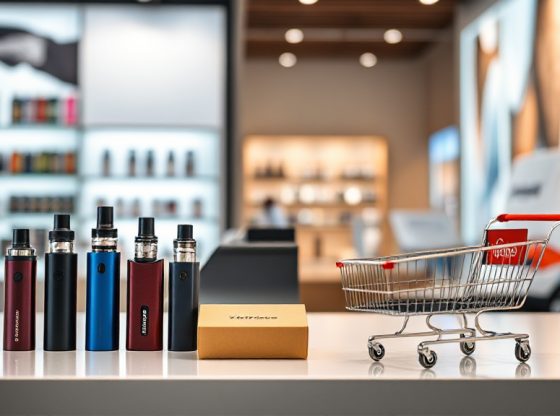

Marbo Vape 25k vs My Usual Setup: What Actually Worked When My Routine Stopped
Most guides about high-puff disposables skip the one thing that matters when your regular device suddenly stops doing its job: what you actually do in the moment, with no backup and no time to research. That was my situation a few months back, and it is why I ended up testing the marbo vape 25k against everything else I had been rotating through. This is not a spec sheet. It is a record of what happened, in order, and what I would do differently next time.
Why My Usual Method Quietly Stopped Working
For a long stretch I was loyal to a smaller disposable format. It was predictable, easy to carry, and I knew exactly how long it lasted. Then two things changed at once: my daily routine got longer, and the devices I was buying started feeling inconsistent between batches. Flavor was fine for the first day, then flattened. Draw got tight earlier than expected. I found myself carrying two devices just to get through a normal day, which defeated the point of a disposable.
The advice I kept reading was to just buy more of the same, or switch to a rechargeable pod system. Neither solved the actual problem, which was reliability across a full week without babysitting the device. That is when I started looking at higher-capacity options instead of assuming the format itself was the issue.
How I Actually Tested the Marbo 25k
I did not run a lab test. I ran a routine. Same wake-up time, same commute, same breaks, same evening wind-down. I logged when the device started, when flavor shifted, when the draw changed, and when it finally gave out. I did this across several units rather than one, because a single device can be an outlier in either direction.
What I wanted to know was simple: does a 25k-rated device genuinely reduce how often I think about my vape? If I am still checking the indicator every few hours, the capacity number is just marketing. If I forget about it for days at a time, that is the real win.
Alongside the Marbo I kept a couple of comparison units in rotation, including one I had used before and one I had not. Running them side by side is the only honest way to judge, because memory of a previous device is unreliable.
What the First Week Told Me
The first thing I noticed was the draw staying consistent longer than I expected. With my old setup, day three was usually when things started feeling thin. Here, day three felt like day one. Flavor held up reasonably well too, though I will be honest that no disposable tastes identical on day ten to how it tastes on day one. The decline was gradual rather than a cliff, which is what I care about.
The second thing was how little I thought about charging or replacing. That sounds minor until you have spent a week juggling two half-dead devices. Removing that small background anxiety changed how I used the product entirely. I stopped rationing draws, which paradoxically made the experience feel more normal.
By the end of the first week I had not needed a backup. That was the first time in months that had been true.
Where the Usual Advice Fell Short
Most write-ups focus on puff counts and flavor lists. Useful, but incomplete. What they leave out is that performance depends heavily on how you actually use the device, and on whether the unit you received is genuine. I have had devices that looked identical to the real thing and behaved nothing like it. That experience pushed me toward buying from a source that is explicit about authenticity and delivery rather than whoever is cheapest that week.
This is also where a lot of people give up prematurely. They get one bad unit, conclude the whole format is unreliable, and go back to something they were already unhappy with. The better move is to change the supplier before changing the category.
I also learned to stop comparing across different device classes. A smaller pen-style unit and a high-capacity disposable are solving different problems. If your day is short and light, the smaller format is genuinely better. If your day is long and unpredictable, capacity matters more than portability.
Building a Routine That Survives a Bad Week
Once I accepted that no single device is perfect, my routine got simpler. I keep one primary device and one smaller backup, and I replace the primary before it is fully dead rather than after. That single change eliminated almost all of the frustration I used to have.
I also stopped buying one unit at a time. Buying a single device means every failure is a crisis. Buying a few at once turns a failure into an inconvenience. The cost is the same over time; the stress is not.
For variety I rotate in other formats depending on the day. A compact option like a lana pen plus 9k covers lighter days well, while something with more capacity like a lana pix 20k handles the long ones. Having both on hand means I am never forced into a bad choice because I ran out.
I also pay attention to where I buy. Ordering from a store that offers fast delivery and cash on delivery removes the two biggest friction points: waiting, and paying upfront for something you have not seen. That matters more than most reviews admit.
Comparing the Marbo 25k to Other Options I Tried
Side by side, the marbo 25k held its position as the device I reached for first on long days. It is not the smallest option and it is not the cheapest per unit, but it is the one that required the least attention. For me, attention is the real currency here.
When I wanted something lighter, I reached for a lana pix instead. It is a different experience, not a worse one. The mistake is treating these as competitors when they are really tools for different situations.
I also tested a snowwolf 16k during the same period. It performed well within its capacity range and gave me a useful reference point for how much the extra headroom on the Marbo actually mattered. The answer was: noticeably, but only because my days are long. Someone with a shorter routine would not feel the difference as sharply.
For a smaller, simpler option I kept a lana ultra 2 around as well. It is the kind of device you grab when you are heading out for a couple of hours and do not want to carry anything bulky. Again, different job, different tool.
One thing that surprised me was how much the buying experience affected my overall satisfaction. I had previously ordered from sources with vague shipping timelines. Switching to a store with clear delivery expectations and discreet packaging removed a layer of annoyance I had not even registered as part of the problem.
Lessons From the Whole Experiment
Lesson one: change the supplier before you change the category. Most disappointment with disposables traces back to authenticity and consistency, not the format itself.
Lesson two: match capacity to your actual day, not to the biggest number on the shelf. A device that is too large for your routine is just wasted money, and one that is too small is a daily irritation.
Lesson three: keep a backup, always. The single biggest quality-of-life improvement in this whole process was never being caught without a working device.
Lesson four: buy in small batches rather than singles. It smooths out the bad units and the bad weeks.
Lesson five: pay attention to delivery and payment options. Cash on delivery and discreet packaging are not gimmicks; they are the difference between a stressful purchase and a forgettable one. If you are also exploring heated tobacco options, the same logic applies to something like terea singapore — sourcing and delivery reliability matter as much as the product itself.
None of this is complicated, but almost none of it appears in the standard reviews. The standard reviews assume everything works. My routine assumes something will eventually not, and plans around that.
FAQ
How long does a Marbo 25k actually last?
In my own routine it comfortably covered more than a week of normal use without needing a backup, which was the main reason I kept it as my primary device. Actual duration depends heavily on how frequently you use it and how long each draw is, so treat any single number as a rough guide rather than a promise.
Is it worth switching from a smaller disposable?
Only if your days are long or unpredictable. If your routine is short and light, a smaller format is genuinely more convenient and you will not gain much from the extra capacity. The switch made sense for me because I was tired of carrying two devices to get through a normal day.
Why did my previous devices seem to fail early?
In most cases I traced it back to inconsistent supply rather than the devices themselves. Once I started buying from a source that was clear about authenticity and delivery, the early failures largely stopped. Changing the supplier solved a problem I had wrongly attributed to the product category.
What should I keep on hand as a backup?
A smaller, simpler device that you can carry without thinking about it. The goal is not matching performance; it is making sure a single failure never leaves you stuck. A compact option works well for this because it takes up almost no space and covers you until your next order arrives.